180 and 360 excavator training prepare operators to work with two different types of construction machinery. A 180 excavator, commonly associated with a backhoe loader, has a rear excavator arm that operates within a limited arc, while a 360 excavator has an upper structure that rotates through a full circle. The right course depends on the machine you intend to operate, the work you plan to undertake and your employer’s requirements.
If you are comparing NPORS excavator training options, understanding these differences can help you identify the relevant machine category before booking. This guide compares 180 and 360 excavators, explains their typical applications and outlines what to check when choosing a training course, including machine size, experience and assessment requirements.
What Is the Difference Between a 180 and 360 Excavator?
The main difference is how the machine’s upper structure operates and the work it is designed to perform.
A 180 excavator, commonly associated with a backhoe loader, has a front loader bucket and a rear excavator arm. The rear excavator assembly generally works within a limited operating arc rather than rotating continuously through 360 degrees.
Operators may use this type of machine for tasks such as digging trenches, excavating around utilities and moving materials. The front loader can also help with loading and handling materials.
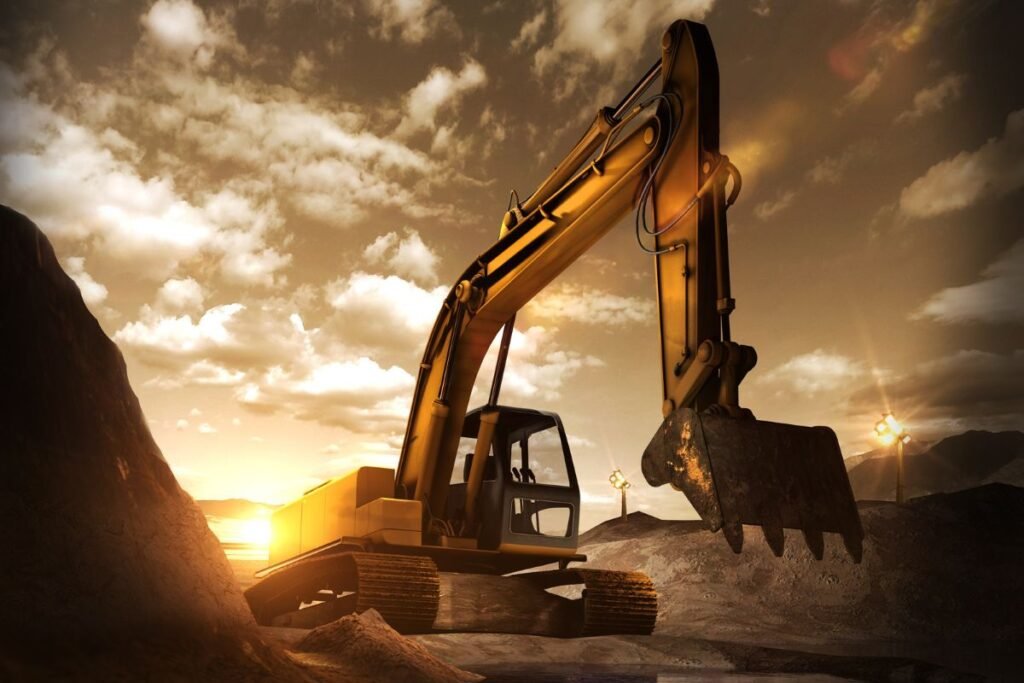
A 360 excavator has an upper structure that rotates through a full 360 degrees on its undercarriage. This allows the operator to reposition the boom and bucket without repeatedly moving the entire machine.
Depending on the machine and attachment, 360 excavators can be used for trenching, bulk excavation, earthmoving, foundation work and other construction tasks.
These differences matter when choosing training because the machines have different controls, operating characteristics and applications.

180 Excavator Training: Who Is It Suitable For?
180 excavator training may be appropriate for people whose work involves backhoe loaders or similar equipment with a rear excavator arm.
You may want to consider this type of training if your intended duties include:
- Digging trenches for drainage, utilities or other services.
- Carrying out excavation work on construction projects.
- Using a backhoe loader for digging and material handling.
- Operating equipment that combines a front loader with a rear excavator.
Before booking, check that the training covers the machine category and type of work relevant to your role. The requirements of a particular employer or construction site may determine which training and evidence of competence you need.
If you are unsure whether a 180 excavator course matches your intended duties, discuss the equipment you expect to operate with the training provider.
360 Excavator Training: Who Is It Suitable For?
360 excavator training is designed around the operation of excavators with a rotating upper structure. It may be relevant to people seeking work in groundworks, civil engineering, construction and other sectors that use tracked or wheeled excavators.
You may want to consider this training if your intended duties include:
- Excavating foundations and construction areas.
- Digging trenches and drainage runs.
- Moving earth and materials across a worksite.
- Operating an excavator that needs to rotate while digging.
- Developing the skills required for a particular 360 excavator category.
The machine’s size is another important consideration. Training requirements can differ according to the equipment category, including whether the excavator falls within an under-10-tonne or 10-tonne-and-over category.
For more information visit 180 and 360 excavator training for machines of 10 tonnes and below and 180 and 360 excavator training for machines of 10 tonnes and over.
Confirm the exact category and course requirements with the provider before making a booking.

180 vs 360 Excavator Training: Key Differences
The following comparison can help you decide which option to investigate first.
| Factor | 180 excavator training | 360 excavator training |
|---|---|---|
| Typical machine type | Backhoe loader with a rear excavator arm | Excavator with a rotating upper structure |
| Operating movement | Rear excavator assembly works within a limited arc | Upper structure rotates through 360 degrees |
| Common applications | Trenching, utility work and general excavation | Trenching, earthmoving, foundations and bulk excavation |
| Equipment to consider | The relevant 180 or backhoe loader category | The relevant 360 excavator category and machine size |
| Best starting point | Identify whether your role involves 180 equipment | Identify whether your role involves 360 equipment |
Neither course is automatically the better choice. The correct option is the one that matches the machinery you will operate and the competence requirements of your intended role.
What Is NPORS Excavator Training?
NPORS is a UK-based construction plant training and operator registration scheme. Training and assessment arrangements depend on the equipment category, the candidate’s circumstances and the route being followed.
When comparing courses, make sure you understand which machine category is covered and what the training and assessment involve. Do not assume that completing training for one excavator type automatically demonstrates competence to operate another.
If you are new to the industry, ask the provider which course is appropriate for your experience and intended work. If you already operate plant machinery, explain your existing experience so the provider can advise you on the relevant route.
How to Choose the Right Excavator Training Course
Before booking a course, consider the following points.
1. Identify the machine you need to operate
Ask your employer which type of excavator you will use. If you are arranging training independently, research the equipment commonly required for the roles you want to pursue.
2. Check the relevant machine category
A 180 excavator and a 360 excavator are not interchangeable categories. For 360 machines, confirm whether the relevant training covers the required weight category and equipment type.
3. Consider your current experience
Tell the training provider whether you are a beginner or have previous experience operating excavators. Your experience may affect which training and assessment route is suitable.
4. Confirm the training and assessment arrangements
Ask what the course includes, how competence is assessed, what documentation is provided and whether any additional requirements apply. Confirm fees and course duration directly rather than relying on general estimates.
5. Check site and employer requirements
Some employers or projects specify the plant category, qualification or evidence of competence they accept. Confirm these requirements before paying for training.
6. Ask about the available training options
Compare the relevant courses and ask the provider to clarify anything you are unsure about. Choosing the correct category at the beginning can help you avoid booking training that does not match your intended work.

Can You Take Both 180 and 360 Excavator Training?
It may be useful to train on both types of equipment if your job involves different machines or you want to pursue roles requiring a wider range of plant-operating skills.
However, whether you need both depends on your work, employer requirements and the equipment you intend to operate. Completing one course should not be treated as automatic authorisation or proof of competence for the other machine category.
If you are considering training for both, discuss your plans with the provider and ask which course sequence best matches your goals.
FAQs
180 excavator training focuses on equipment such as backhoe loaders with a rear excavator arm, while 360 excavator training covers machines with an upper structure that rotates through a full 360 degrees. The correct course depends on the machine you need to operate.
Neither course is automatically better for beginners. Your choice should depend on the type of excavator you want to operate, your career goals and the requirements of your intended role. Contact the training provider to discuss suitable options if you have no previous experience.
You should not assume that 180 excavator training qualifies you to operate a 360 excavator. They are different equipment categories, and you may need separate training and assessment to demonstrate competence for the relevant machine.
Digger Training lists NPORS 180 and 360 excavator training options. Check the relevant course details to confirm the equipment category, machine size and applicable training and assessment requirements before booking.
Identify the equipment you will operate, check your employer’s requirements, consider your existing experience and confirm the relevant machine category. You can then review the available excavator training courses or contact Digger Training for guidance.

Find the Right Excavator Training Course
The choice between 180 and 360 excavator training comes down to the machine you need to operate and the work you want to undertake. A 180 course may suit roles involving backhoe loaders, while a 360 course may be more appropriate for work involving rotating excavators.
Before booking, confirm the correct machine category, any applicable weight classification, the training and assessment arrangements, and the requirements of your employer or site.
Need help identifying the right course? Contact the team to discuss your training requirements before booking.